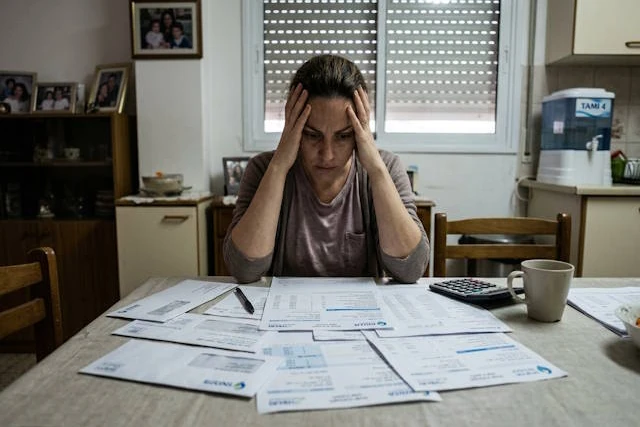
The Money That Slips Away Through Habits That Seem Harmless
Small purchases‚ automatic payments and quick online orders add up to a steady outflow of money that is easy to overlook.
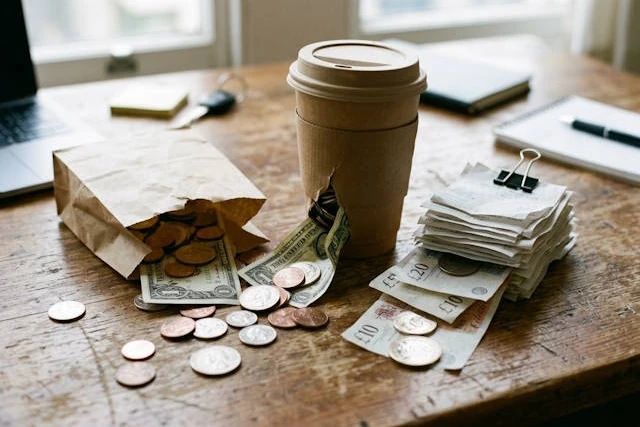
When you look at your daily routine‚ much of your spending does not feel like a significant decision. A small purchase at the end of the workday‚ a quick online order or a service that is billed automatically all seem completely natural. But when these actions repeat again and again over months and years‚ they create a constant stream of money flowing out. The amounts are not felt in real time because they are spread over long periods. That is how you end up feeling the money simply disappears‚ without being able to point to the moment it happened.
How Small Expenses Add Up
Small expenses do not attract much attention because they do not seem significant at the time. When the amount is relatively small‚ it is easy to feel there is no need to think about it carefully. But when the same action is repeated dozens or hundreds of times a year‚ the total becomes much larger. This happens gradually‚ which makes it hard to notice as it happens. Only a broader view shows how much small expenses affect the budget.
Spending Habits That Form Without Awareness
Many financial habits grow out of a daily routine that receives no special attention. People tend to buy things in the same place‚ the same way and at the same time without stopping to reconsider. Over time these habits become fixed and turn into a natural part of the day. When they are not reviewed now and then‚ they can keep growing without you noticing. This creates a system of regular expenses that is not always necessary.
Digital Payments and the Illusion of Ease
The move to digital payments has made buying fast and very simple. When payment takes a single tap‚ it is easy to forget that real money is leaving your account. That feeling creates an illusion of ease that leads to more purchases. The process happens without any sense of effort‚ so it is hard to notice in the moment. In this way technology also shapes financial behavior.
Rewarding Yourself After a Busy Day
After a long workday or a hectic period‚ many people tend to reward themselves with a small purchase. It feels completely natural and even brings a brief sense of satisfaction. But when it happens often‚ it becomes a fixed habit. That habit creates an ongoing stream of spending that is not always noticed. This is how daily pressure becomes linked to less stable money management.
Taking a Fresh Look at Daily Habits
When you pause and look at your financial habits more broadly‚ you can see how they accumulate over time. Actions that seem small and unimportant take on a different meaning when you look at them over a whole year. This awareness helps you understand where the biggest outflow of money happens. Sometimes no dramatic change is needed to make a real difference. Simply identifying your regular habits is enough to start changing the picture.
In Summary
Money usually does not disappear because of one big decision but because of a series of small actions that happen over time. Daily habits‚ digital payments and small purchases together create a system of accumulating expenses. When your spending is not reviewed from time to time‚ it is easy to feel that money is simply slipping away. Awareness of these habits lets you see the picture more clearly. It also shows how a small change in your financial routine affects the overall result.