The Health Mistake Repeated in Almost Every Home Without Anyone Noticing
Eating fast‚ drinking too little and sitting for hours at home seem minor‚ yet over the years they quietly strain the body.
Many households run on a packed schedule in which meals‚ work and rest quickly blend into one another. At that pace‚ people don't always notice the habits that build up over the years and place an unnoticed strain on the body. Examples include eating too fast‚ drinking too little during the day or sitting for long stretches without short breaks. These things seem completely routine‚ so they are not seen as a problem. But when they repeat day after day‚ the body begins to respond in subtle ways that are felt only after a while.
Home Routines and Habits That Add Up
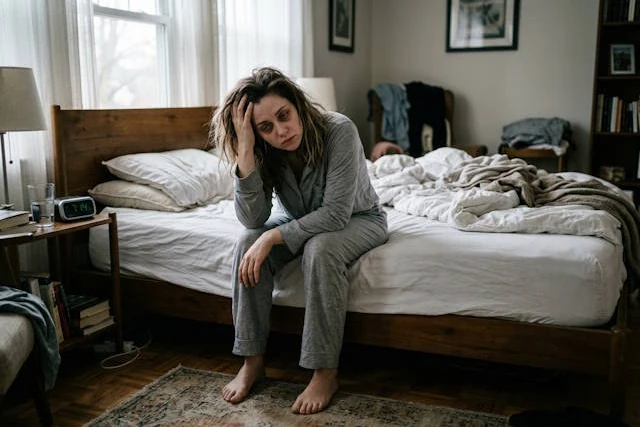
Home is seen as a natural place to rest‚ yet it is often where habits form that do little to support physical well-being. Long hours in front of a computer‚ extended screen time or skipping proper meals quietly become part of the day. When this pattern repeats for months and years‚ the body gets used to constant strain. These habits don't necessarily cause immediate pain‚ which makes them hard to identify as the source of a problem. Gradually‚ however‚ they create a general sense of tiredness that accompanies daily life.
Eating Habits That Get No Attention
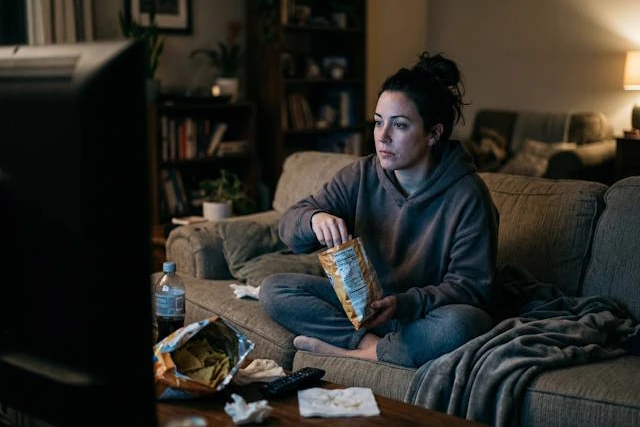
Everyday eating is sometimes treated as a purely technical act meant only to give the body energy. When meals are eaten quickly or while doing other things‚ the body doesn't get the time it needs for calm digestion. This can lead to a feeling of heaviness or discomfort after eating. On top of that‚ many people don't pay attention to how much fluid they drink during the day. The combination of fast eating and too little drinking can create a cumulative load that isn't felt right away.
The Home Workspace and Quiet Strain
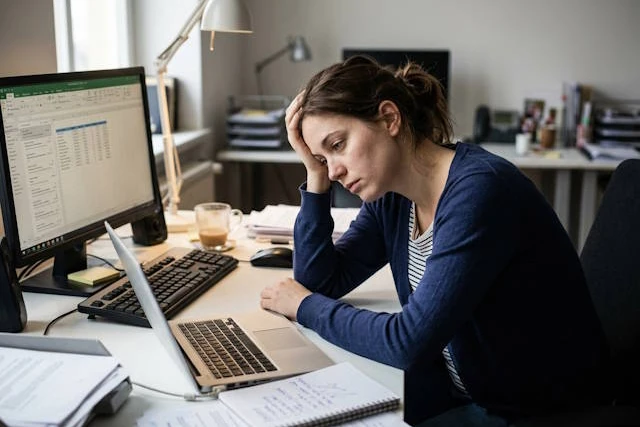
Working from home has become more common in recent years‚ but the setting is not always suited to it physically. Sitting on a chair that doesn't support the back well or working for long periods without short breaks puts ongoing strain on the body. That strain isn't felt immediately‚ but it builds up over time. Many people discover that their general sense of fatigue or discomfort is actually linked to the physical layout of their workspace. A small change in how you sit or in the breaks you take during the day can change how you feel.
Small Signs That Show Up in Daily Life
The body tends to send subtle signals when something in the daily routine has not suited it for a long time. Heaviness after meals‚ a drop in concentration at certain hours or fatigue that sets in earlier than usual can all be such hints. Signs like these don't necessarily point to a medical problem‚ but they do indicate accumulated strain. When you look at them as part of a wider picture‚ it becomes easier to understand where they come from. Sometimes the most ordinary-looking habits are the ones that produce the biggest change.
Taking a Fresh Look at Your Daily Routine
When you examine your daily routine more mindfully‚ it becomes clear how often small actions repeat themselves. A small change in eating habits‚ a little movement during the day or making sure you drink enough can make a real difference to your energy levels. The body responds relatively quickly to small changes when they are kept up over time. This understanding lets you see everyday health as something built from small steps rather than only from dramatic decisions. In this way‚ you may find that the mistake repeated in almost every home can be changed fairly simply.
In Summary
Many health mistakes don't stem from big decisions but from small habits that happen almost without awareness. When you look more closely at your home routine‚ you uncover patterns that have repeated themselves for years. These habits don't always look problematic‚ but their cumulative effect is felt over time. Paying attention to the small details helps you understand how the body responds to daily routine. Sometimes a small‚ lasting change creates a greater sense of well-being than any one-off step.