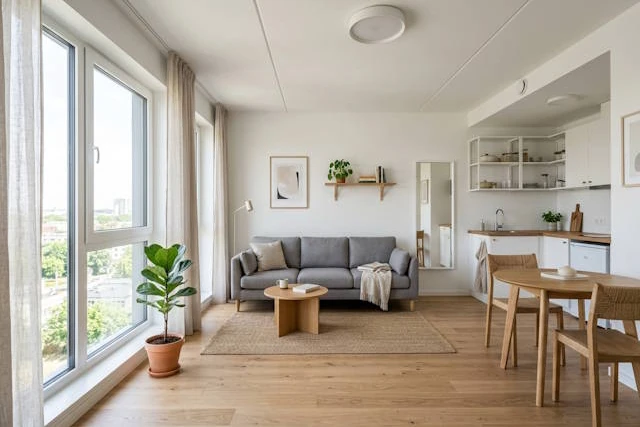
How to Tell If a Home Is Truly Comfortable and Not Just Photogenic
Layout‚ natural light and ease of movement reveal far more about a home's comfort than flattering photos and interior design.
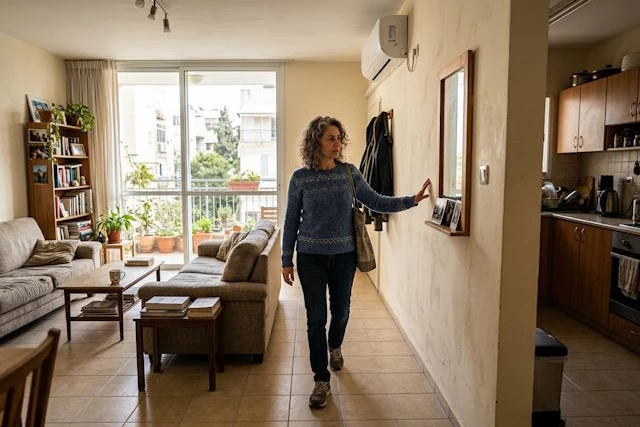
When you look at a property beyond the first impression‚ you discover small details that have a big effect on quality of life. Sometimes it is the layout of the rooms‚ the position of the windows or the natural flow between different parts of the home. These details do not always stand out in a photo or a short tour‚ but they affect how the home works day to day. Many people discover only after moving in that the space looks beautiful but is less convenient to use. That is why taking a closer look at a property can prevent disappointment later.
Room Layout and Everyday Use
The interior layout of a home has a major influence on how the property feels overall. When the rooms connect naturally and conveniently‚ moving around the house feels smooth rather than forced. In contrast‚ spaces that look impressive but are not connected logically can feel cluttered in daily life. People sometimes find that getting from one area of the house to another takes more effort than expected. That is why the structure of the spaces matters as much as their design.
Orientation and Natural Light
One of the key elements of a comfortable home is how natural light enters it throughout the day. Large windows facing the right direction can create a sense of space and warmth even in a relatively small apartment. Artificial lighting alone does not give the same feeling of openness. When you view a home‚ it is worth noticing how the light changes from morning to evening. That way you can tell whether the space will feel pleasant over time and not just at the moment the photo was taken.
How People Move Through the Home
A comfortable home allows natural movement between rooms without a sense of crowding or obstruction. When passages are too narrow or furniture blocks the main routes‚ the daily routine becomes less convenient. People sometimes find that a space looks large in photos but is actually hard to move around in. Watching how you can get between the kitchen‚ the living room and the bedrooms tells you a lot about the quality of the design. This helps you understand whether the home suits real life.
Fitting a Family Routine
A property that looks impressive during a short visit is not always right for a family's needs over time. The number of rooms‚ the location of storage and the activity areas all affect how the home functions every day. When a home does not suit the family routine‚ the pleasant feeling of the first visit quickly turns into discomfort. That is why it is important to consider how the space will work in different situations throughout the week. This helps you judge whether it is a home that fits real life.
A Sense of Space That Does Not Depend on Design
Interior design can create a very impressive effect even in spaces that are not especially practical. The right colors‚ well-planned lighting and suitable furniture can change how a home looks in photos. But a real sense of space comes from good planning of the space itself. When the interior structure suits the daily routine‚ the home feels open and pleasant even without elaborate design. This is how you can tell the difference between an impressive look and genuine comfort.
In Summary
Choosing a home should not be based only on a visual impression or a particularly good photo. When you look at a property more broadly‚ you discover details that affect life there over the long term. The room layout‚ natural light and the way people move through the home are key factors in how comfortable it feels. Understanding these elements lets you see the home beyond its outward design. This way you can choose a property that offers a truly pleasant living experience.