Arriving Fast Is Not Always the Same as Fixing the Problem
A fast arrival brings relief‚ but a lasting repair depends on a thorough diagnosis‚ a view of the whole system and follow-up checks.
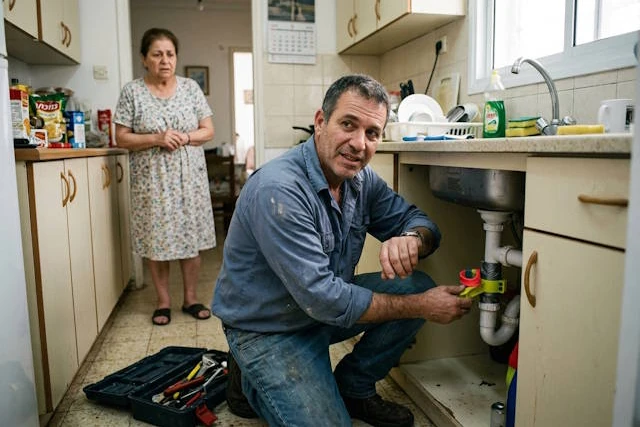
When you call a professional because of an urgent fault‚ it is important to understand that the first stage of the process should be a thorough diagnosis of the situation. Without a full understanding of the source of the problem‚ it is very hard to find a solution that will last. Work that focuses only on the visible symptom may solve the problem only temporarily. After a short while the fault may appear again. That is why it is important to distinguish between a fast response and a thorough solution.
In-Depth Diagnosis Before Taking Action
A proper diagnosis sometimes takes time and patience to understand the real cause of the fault. When a professional checks the system thoroughly‚ they can identify hidden factors that are not immediately visible. Such an inspection makes it possible to find a solution that deals with the source of the problem and not just its result. By contrast‚ acting too quickly may be based on a wrong assumption. In that case the fault may return after a short time.
The Difference Between a Temporary Fix and a Full Solution
Sometimes it is possible to carry out a quick action that stops the fault immediately but does not address its real cause. Such a fix can look successful at first because the problem disappears for a while. However‚ when the main cause is not dealt with‚ the situation repeats itself after a certain period. A full solution requires a broader understanding of the entire system. That is why it is important to tell a quick action apart from thorough treatment.
Additional Checks After the Repair
Even after the fault seems to be fixed‚ additional checks are important to make sure the problem does not come back. These checks show whether the proposed solution really suits the situation. When the checking stage is skipped‚ the problem may still exist to some extent. The fault may then develop again in the future. That is why checking after the repair is an important part of the process.
Understanding the Whole System‚ Not Just One Point
In many cases the fault that appears is only a sign of a broader problem within the system where it occurs. When you focus only on the spot where the fault appeared‚ it is hard to see the full picture. A professional who looks at the system as a whole can identify connections between different parts. This makes it possible to prevent further faults in the future. A broader understanding allows for a more stable solution.
Balancing Speed and Thoroughness
A fast response is certainly important when a fault occurs‚ but it should not come at the expense of checking and understanding the situation. When a quick arrival is combined with a thorough diagnosis‚ a real solution can be reached. The work is done in a calmer and more precise way. This prevents the same fault from recurring. This balance is the foundation of reliable professional work.
Summary
A professional's quick arrival can bring a sense of relief when an unexpected fault occurs. But truly solving the problem requires a thorough understanding of the situation and the factors that led to it. When a fast response is combined with an in-depth inspection‚ a more stable result can be achieved. The process may take a little longer‚ but it prevents recurring problems in the future. It turns out that the real solution lies in combining speed with thoroughness.